Retaining Wall Repair vs. Replacement in Birmingham: How to Know Which One You Need
If your retaining wall in Birmingham is leaning, cracking, bulging, or letting water through, it may be failing due to drainage issues or soil pressure. Minor damage can sometimes be repaired, but many older or improperly built walls require full replacement to prevent collapse and protect your property.
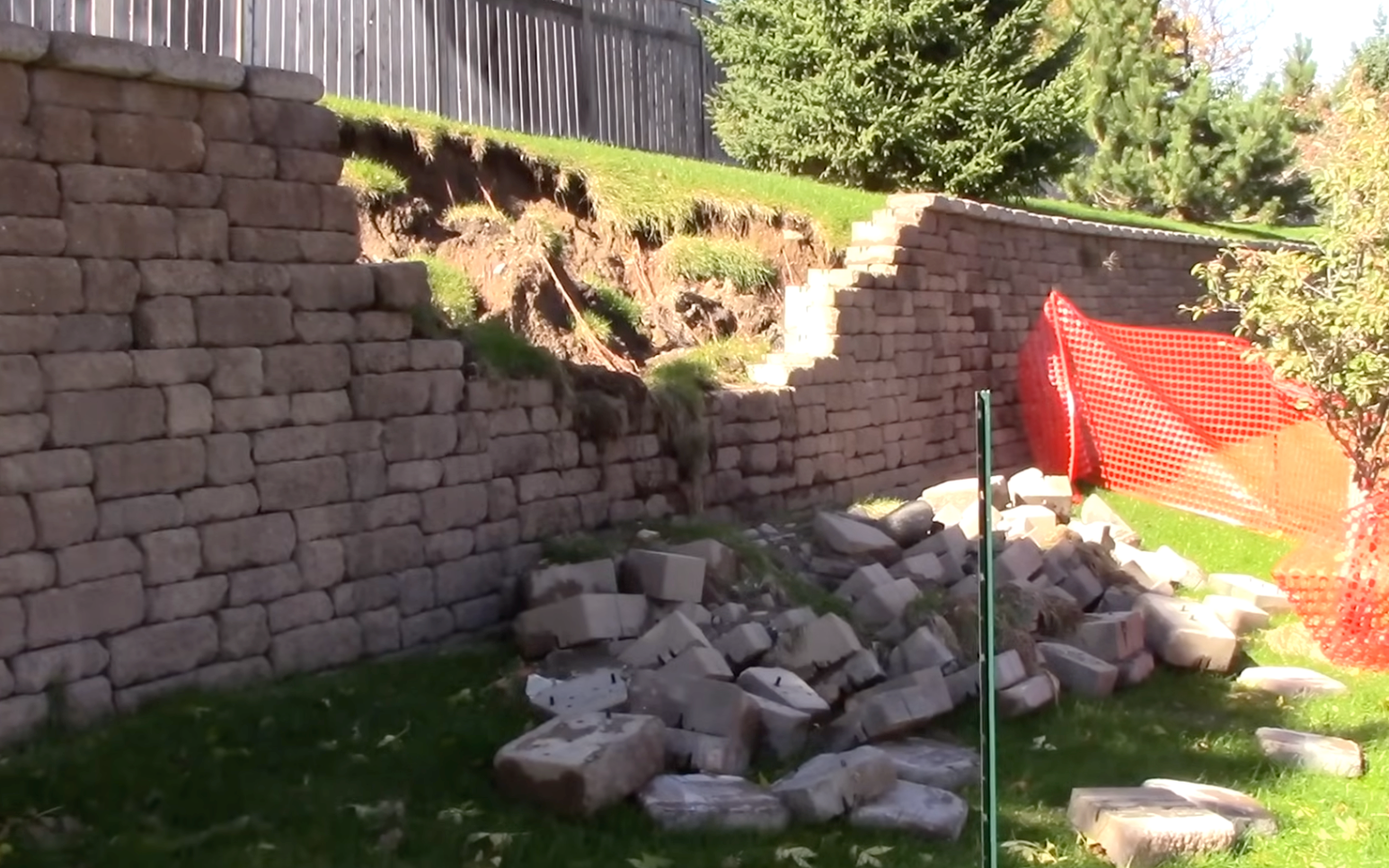
How Do You Know If a Retaining Wall Is Failing?
Visible movement, cracking, or water issues usually mean the wall is no longer doing its job.
Homeowners in Birmingham, Hoover, Vestavia Hills, Mountain Brook, and Homewood often notice problems after heavy rain or seasonal changes. Because of clay soil and sloped lots, retaining wall issues tend to worsen quickly once they start.
Common warning signs include:
- Wall leaning forward or backward
- Cracks forming between blocks or stones
- Bulging or bowing sections
- Water seeping through the wall
- Soil washing out from behind the wall
- Sections of the wall separating or sinking
If you see more than one of these signs, the issue is usually structural — not cosmetic.
Why Retaining Walls Fail So Often in Birmingham
Birmingham’s soil and weather conditions are tough on retaining walls.
The most common causes of failure include:
- Poor drainage behind the wall (the #1 issue)
- Heavy clay soil holding moisture
- Improper base preparation
- Walls not engineered for height or load
- Older walls built without modern standards
- Sloped yards directing water toward the wall
Many walls built 10–20 years ago were installed without proper drainage systems, which leads to pressure buildup and eventual failure.
Can a Retaining Wall Be Repaired, or Does It Need Replacement?
It depends on the cause and severity of the damage.
Retaining Wall Repair May Be Possible If:
- The wall is mostly straight
- Damage is localized to one area
- There’s minimal soil movement
- Drainage issues can be corrected
- The wall was properly built originally
Examples of repair solutions:
- Replacing damaged blocks or stones
- Adding drainage behind the wall
- Regrading soil above the wall
- Reinforcing small sections
Repairs are more common for shorter decorative walls or newer installations with isolated problems.
Retaining Wall Replacement Is Usually Needed If:
- The wall is leaning or bowing significantly
- Multiple cracks are present
- The base has shifted or sunk
- Water pressure is pushing the wall outward
- The wall is over its design height
- There is no drainage system behind the wall
Important insight: Once a wall starts moving due to soil pressure, surface fixes will not stop the problem long-term.
Is It Dangerous to Ignore a Failing Retaining Wall?
Yes — especially in sloped Birmingham yards.
Ignoring retaining wall issues can lead to:
- Sudden wall collapse
- Soil sliding downhill
- Damage to patios, driveways, or pools
- Foundation issues for nearby structures
- Safety hazards for people and pets
Walls holding back soil near homes, walkways, or driveways should be addressed as soon as signs of failure appear.
How Much Does Retaining Wall Repair or Replacement Cost in Birmingham?
Costs depend on wall size, materials, access, and drainage requirements.
Typical local ranges:
- Minor retaining wall repairs: $2,500–$6,000
- Partial wall rebuilds: $6,000–$12,000
- Full retaining wall replacement: $10,000–$40,000+
Walls that support patios, pools, or large slopes often require engineered systems, which increases cost but ensures long-term stability.
Why Drainage Matters More Than the Wall Itself
A retaining wall without drainage will eventually fail — no matter how strong it looks.
Proper wall construction includes:
- Gravel backfill
- Drainage pipe behind the wall
- Filter fabric to prevent clogging
- Controlled water exit points
In Birmingham’s clay soil, drainage is not optional — it’s essential.
Can a Failing Retaining Wall Affect Other Hardscaping?
Absolutely. Retaining wall problems rarely exist alone.
A failing wall can impact:
- Patios and walkways above or below it
- Outdoor kitchens and seating areas
- Pool decks and pool structures
- Yard grading and drainage patterns
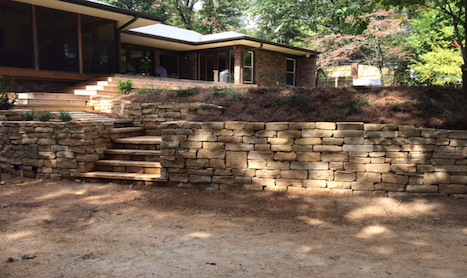
This is why wall replacement often becomes part of a larger backyard stabilization or redesign project.
Repair vs. Replacement: Which Option Is Best for You?
Ask these three questions:
- Is the wall still structurally sound?
- Can drainage be corrected without rebuilding?
- Is the wall supporting critical areas like patios or pools?
If the answer to #1 is no, replacement is almost always the safest and most cost-effective option long-term.
Why Professional Evaluation Matters
Retaining walls are structural elements — not landscaping accents.
A professional evaluation ensures:
- Accurate diagnosis of the failure
- Proper drainage design
- Correct material selection
- Safe construction methods
- Long-term performance
DIY fixes or quick patches often hide deeper problems and delay the inevitable.
Worried About a Leaning or Cracked Retaining Wall?
If your retaining wall is showing signs of failure, waiting can make the problem worse — and more expensive. J & M Landscapes specializes in retaining wall repair and replacement for Birmingham-area homes, with a focus on proper drainage, soil conditions, and long-term stability.
We’ll evaluate your wall, explain your options clearly, and design a solution that protects your property for years to come.
Contact J & M Landscapes today to schedule a consultation and get expert guidance you can trust.
How Much Does a Backyard Renovation Cost in Birmingham? (Patios, Grading, Drainage & Outdoor Living)